Key Takeaways
- Stethoscope hygiene remains an underrecognized patient safety issue in healthcare.
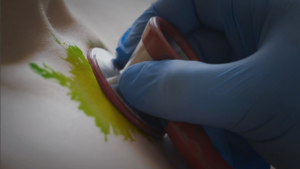
- The stethoscope diaphragm can carry pathogens similar to clinicians’ hands.
- Disky’s National Patient Safety Initiative raises awareness about safe and effective stethoscope hygiene
- Patients and clinicians can both participate in promoting safer care practices.
Why Stethoscope Hygiene Matters for Patient Safety
For many patients, the stethoscope is one of the most recognizable symbols of healthcare.
It is also one of the most frequently used diagnostic tools in medicine.
Clinicians use it during routine exams to listen to heart sounds, lung sounds, and other important findings. Because it is used so often, the stethoscope also comes into direct contact with patients throughout the day.
Research has shown that the stethoscope diaphragm can accumulate microbes in a way similar to clinicians’ hands, which led researchers to describe it as a clinician’s “third hand.”1
Hospitals devote extensive attention to hand hygiene because of its role in preventing the spread of infection.
However, stethoscope hygiene has historically received far less attention, even though the device follows the same pattern of patient contact. Improving awareness of this issue is an important step toward strengthening infection prevention and protecting patients during everyday clinical care.
The Hidden Gap in Stethoscope Hygiene
Hospitals have long recommended cleaning the stethoscope diaphragm between patient exams.
While the concept is simple, decades of research have shown that manual cleaning alone has not produced consistent hygiene in real clinical environments.2
Cleaning practices may be shortened or skipped during busy shifts.
Even when cleaning occurs, it does not always return the device to a fully clean state.3
Studies have found that observed stethoscope cleaning compliance can be extremely low (less than 4%) in routine care settings.2
These challenges are not caused by a lack of concern for patient safety.
They reflect the reality of clinical workflow, where clinicians must move quickly between patients while managing many competing priorities.
Recognizing this gap has led infection prevention leaders to call for greater attention to stethoscope hygiene as part of patient safety efforts.
Disky’s National Patient Safety Initiative for Stethoscope Hygiene
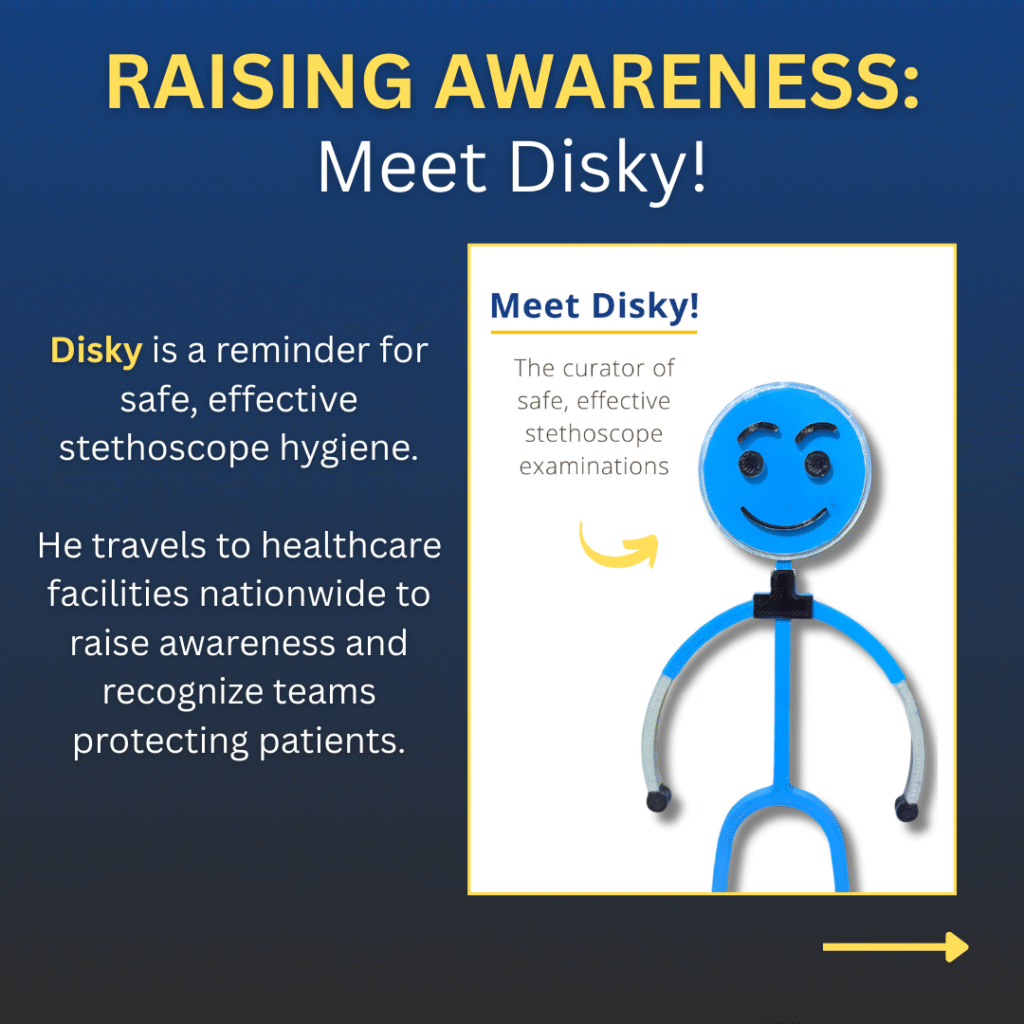
Disky’s National Patient Safety Initiative was created to help raise awareness about stethoscope hygiene and its role in patient safety.
Disky, the curator for safe and effective stethoscope hygiene, represents a simple idea:
The stethoscope should be treated with the same level of hygiene awareness as the clinician’s hands.
The initiative focuses on three goals:
1. Raising awareness of stethoscope contamination
Helping clinicians, healthcare leaders, and patients better understand how stethoscope contamination can occur during routine care.
2. Encouraging conversations about stethoscope hygiene
Creating opportunities for clinicians and patient safety advocates to discuss practical approaches to improving hygiene.
3. Promoting safer stethoscope hygiene habits in everyday care
Highlighting solutions that help ensure a clean patient contact surface during each exam.
By bringing visibility to the issue, the initiative helps make stethoscope hygiene part of the broader patient safety conversation.
How Clinicians and Patients Can Participate in Promoting Safer Care
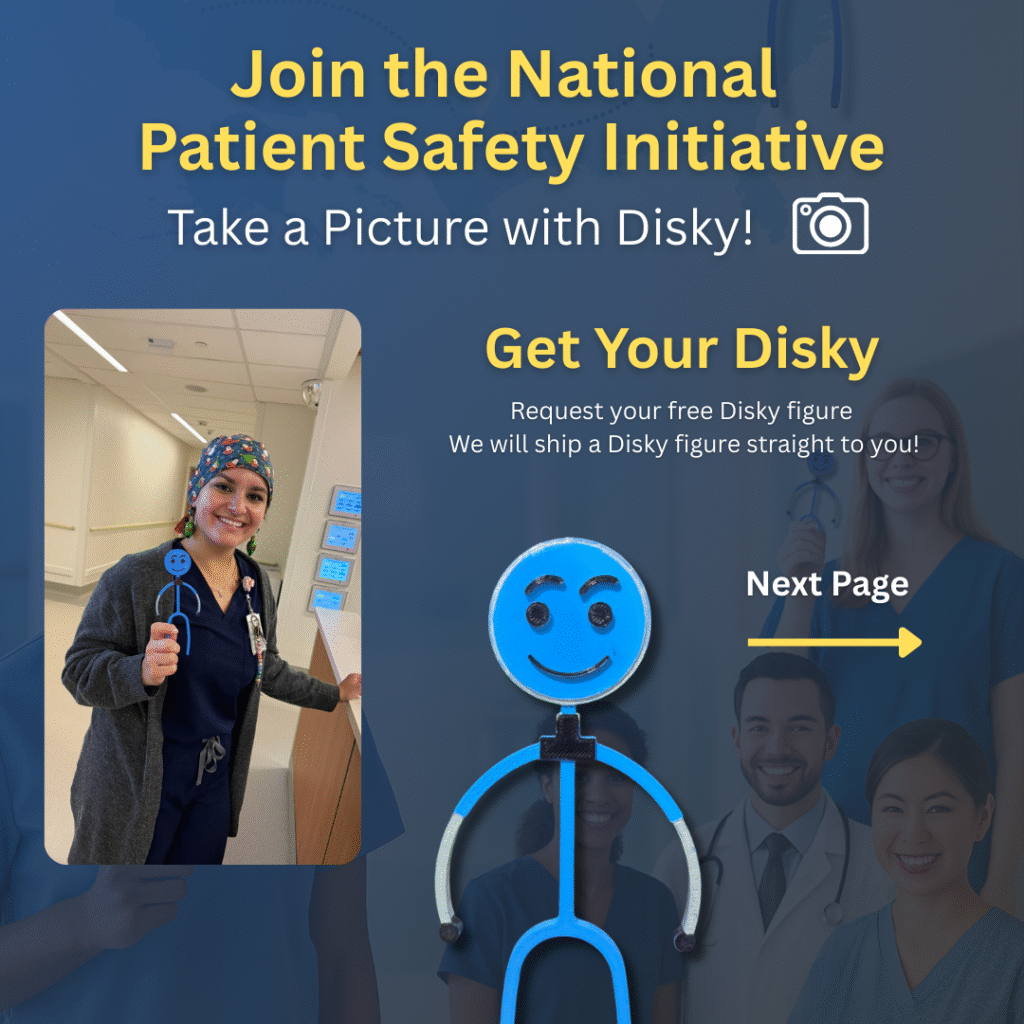
For clinicians passionate about improving patient safety and experience in their clinical setting, the first step is easy: just request your free Disky figure.
Following the request, healthcare professionals are shipped a small Disky figure that can travel with them back to their clinical units or departments.
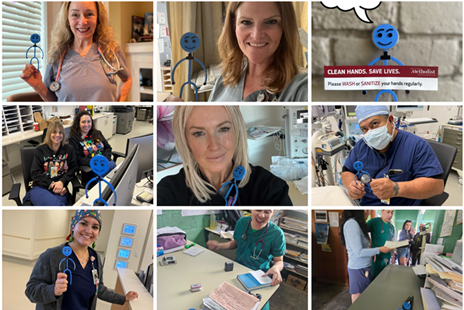
Patients and families can also participate by sharing photos with Disky during healthcare visits or by supporting the message of safe stethoscope hygiene.
After taking their photo(s) with Disky in their healthcare settings, clinicians and patients are encouraged to send their photos in via email to disky@aseptiscope.com, or directly by going to (https://diskcover.com/disky-submission/), where we can feature them as the weekly Stethoscope Hygiene Champion on AseptiScope social media platforms.
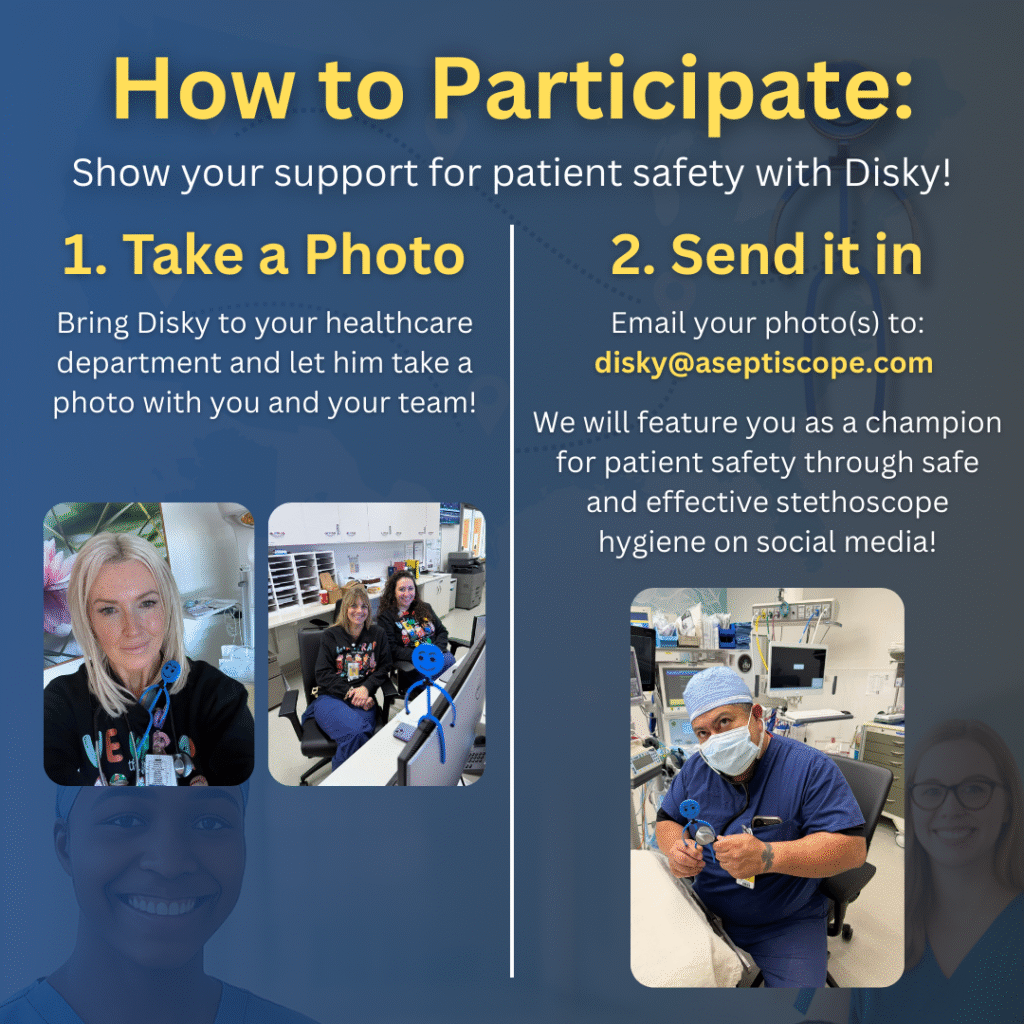
These shared stories help highlight a simple but powerful message:
Patient safety is a shared responsibility between healthcare teams and the patients they care for.
When patients feel comfortable asking questions about infection prevention practices, it strengthens the culture of safety throughout the healthcare system.
Why Patient Experience Is Part of Infection Prevention
Infection prevention is not only about reducing clinical risk.
It also shapes how patients experience care.
Patients often notice the actions clinicians take to protect them.
Hand hygiene, protective equipment, and visible infection prevention practices can reassure patients that their safety is a priority.
Stethoscope hygiene can play a similar role.
When patients see that clinicians are using clean equipment for each exam, it reinforces trust and confidence in the care they receive.
Visible hygiene practices help demonstrate a commitment to patient safety, which can improve patient experience and strengthen the relationship between clinicians and the people they care for.
A Growing Movement for Stethoscope Hygiene and Patient Safety
Disky’s National Patient Safety Initiative is part of a broader effort to bring attention to stethoscope hygiene as an important component of infection prevention.
The stethoscope has been a trusted diagnostic tool for more than two centuries.
Ensuring that this trusted instrument remains both clinically effective and hygienically safe is an important step toward improving patient safety.
Through awareness, education, and collaboration between clinicians and patients, the healthcare community can continue advancing toward safer care for every patient encounter.
References
- Longtin Y, Schneider A, Tschopp C, Renzi G, Gayet-Ageron A, Schrenzel J, et al. Contamination of stethoscopes and physicians’ hands after a physical examination. Mayo Clin Proc. 2014;89(3):291-299.
- Boulée D, Kalra S, Haddock A, Johnson TD, Peacock WF. Contemporary stethoscope cleaning practices: What we haven’t learned in 150 years. Am J Infect Control. 2019 Mar;47(3):238-242. doi: 10.1016/j.ajic.2018.08.005. Epub 2018 Nov 2.
- Knecht VR, McGinniss JE, Shankar HM, et al. Molecular analysis of bacterial contamination on stethoscopes in an intensive care unit. Infect Control Hosp Epidemiol. 2019;40(2):171-177. doi:10.1017/ice.2018.319